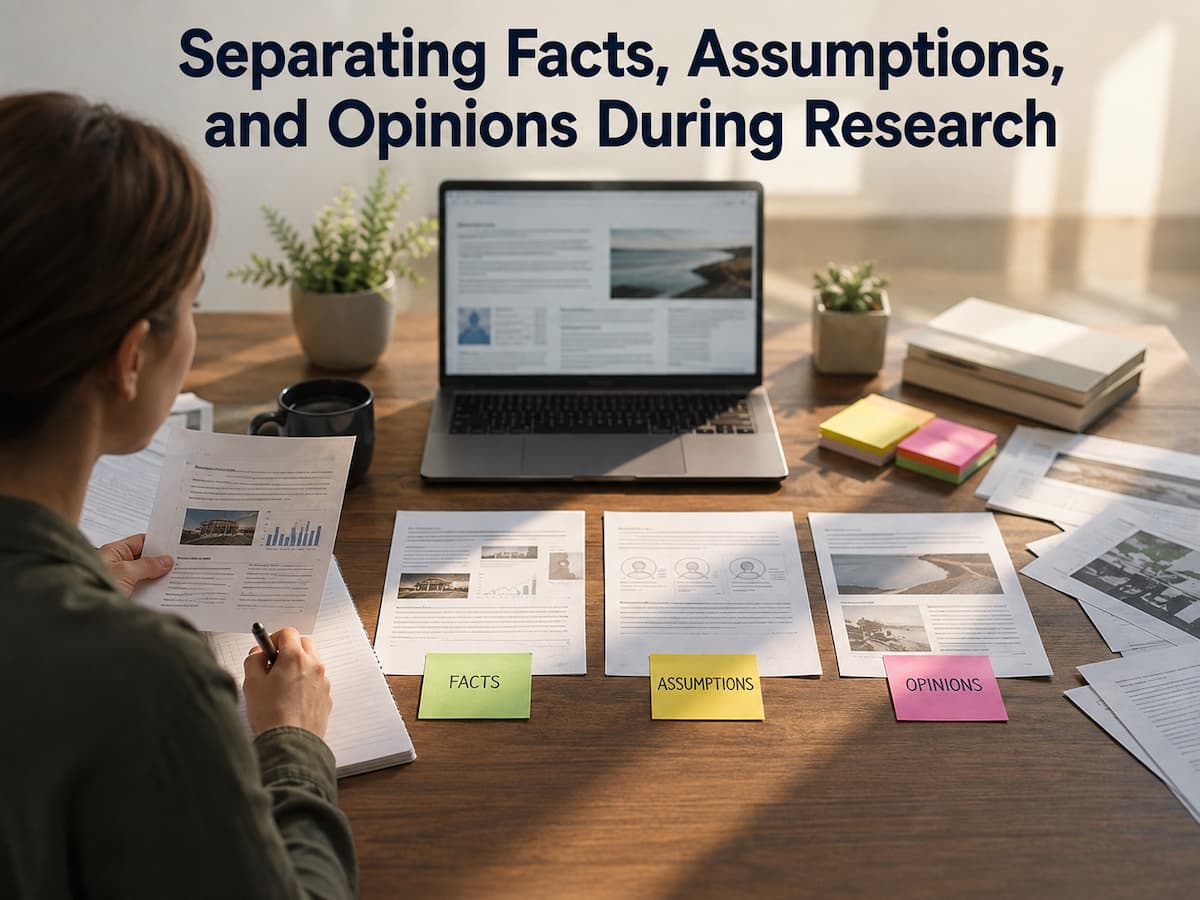
Recognizing Weak Evidence Before It Shapes Your Final Conclusions

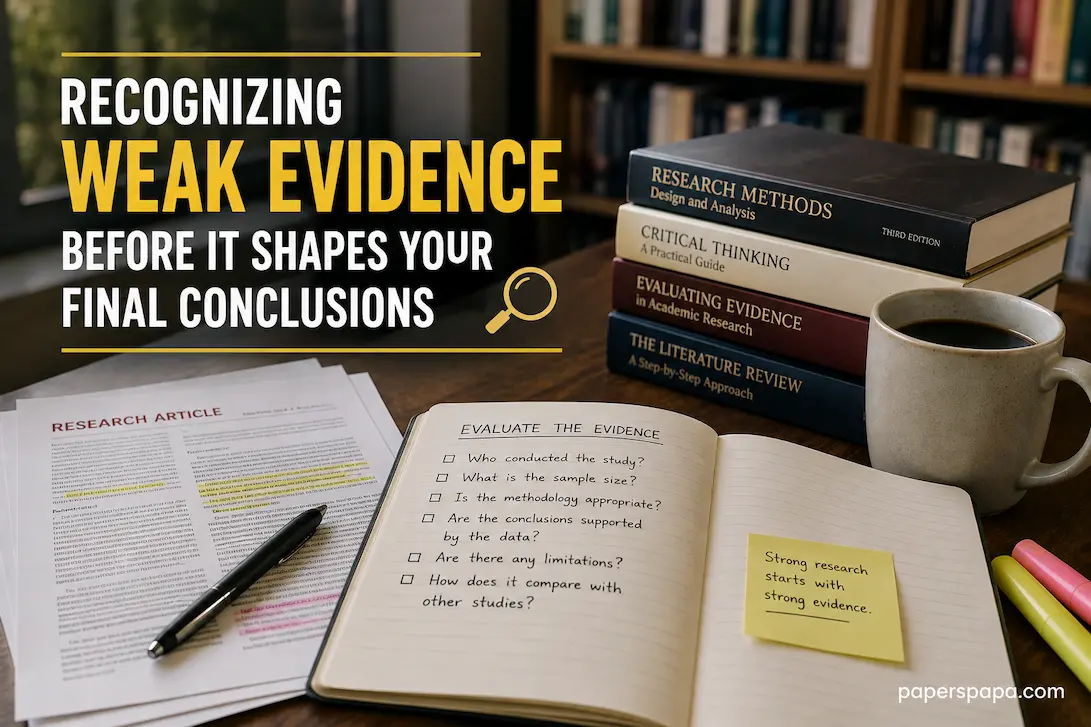
One of the easiest ways to weaken an academic paper is not through poor writing or grammatical mistakes, but by building conclusions on evidence that cannot fully support them. This often happens without the writer realizing it. A statistic looks convincing, a journal article appears trustworthy, or a report contains a statement that perfectly matches … Read more

Why Small File Naming Decisions Matter More Than Most Students Realize

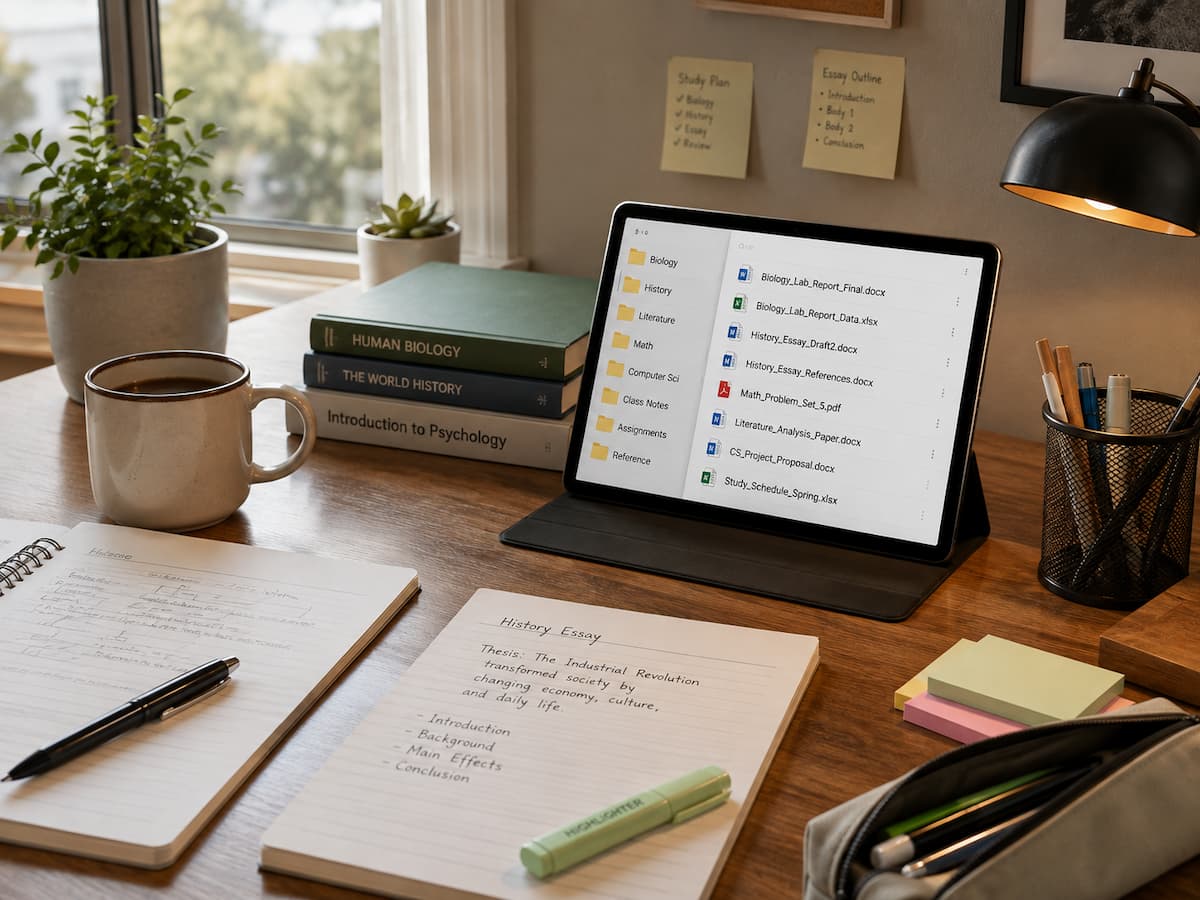
Most students have experienced the same frustrating moment. A deadline is only minutes away, the assignment is finished, but the correct version of the document has disappeared. The computer is full of files with names like “Essay Final,” “Essay Final New,” “Essay Final Latest,” or simply “Document1.” Time is wasted opening file after file, hoping … Read more

How to Leave Every Research Session With Clear Next Steps

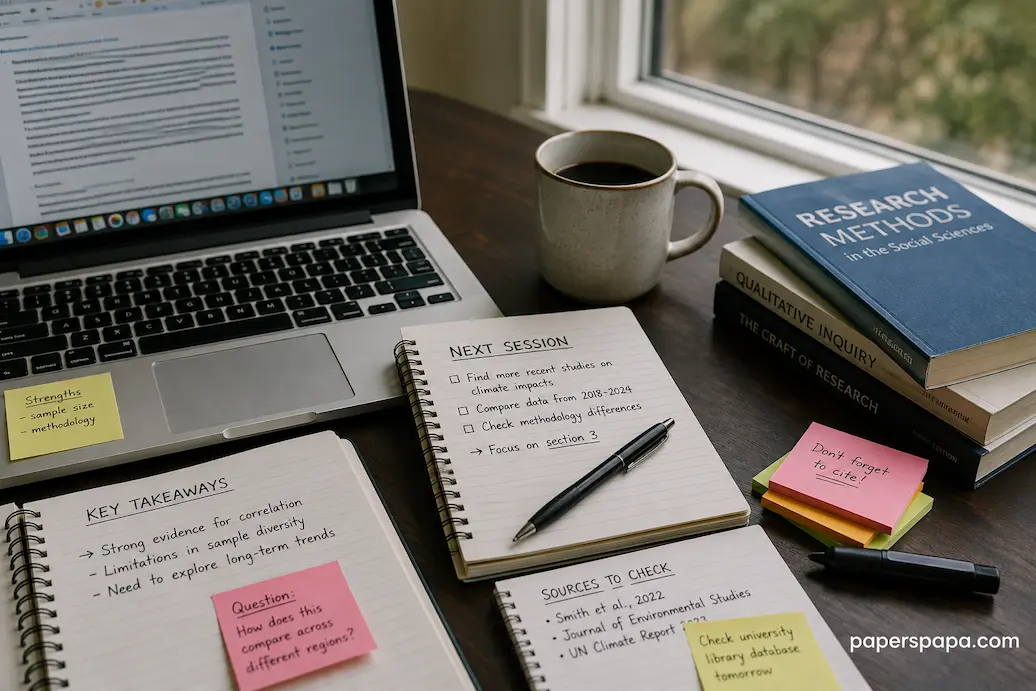
Some research projects provide you with the feeling that you have made good progress. Others leave you with a mountain of open tabs, notes scattered everywhere, and the unpleasant thought that you have to start all over again tomorrow. Although the study time may be the same, one research project moves a project forward, while … Read more

Spotting Logical Weaknesses Without Becoming Overly Skeptical

Careful reflection does not automatically rule out imperfect viewpoints. Blindly accepting every seemingly firm assertion is insufficient. Learning to critically evaluate viewpoints while simultaneously remaining open to new knowledge is far more valuable than blind acceptance and constant skepticism. Arguments appear daily in news reports, conversations, advertisements, academic discussions, and online forums. Some arguments have … Read more

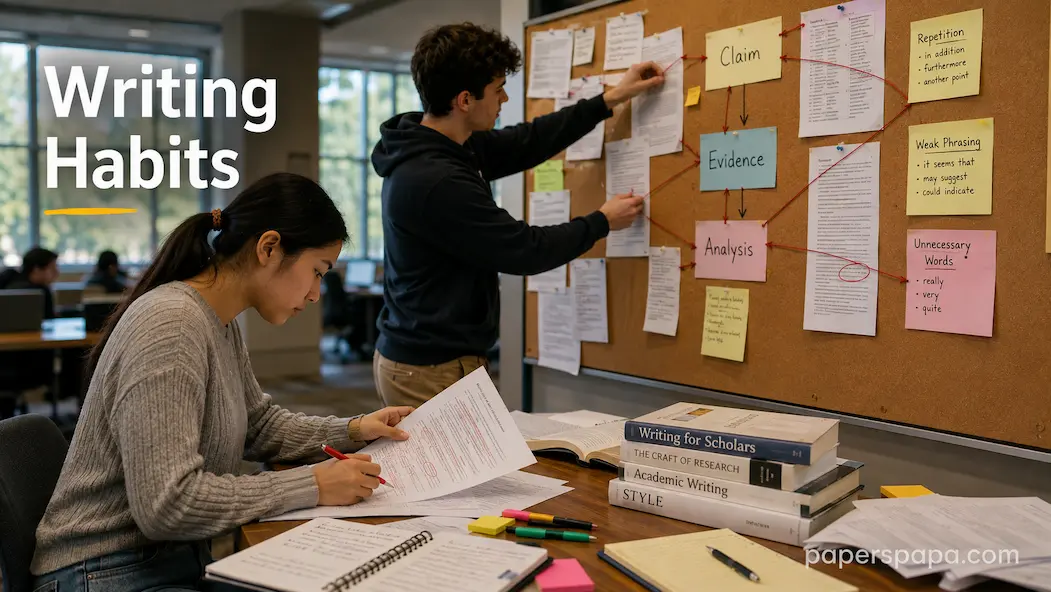
Turning Research Notes Into Writing Without Copying Your Sources

Although research notes are intended to facilitate writing, they often become a barrier for many students. After reading countless articles and highlighting key points, the writing process often begins with a blank page and a long series of seemingly unusable quotes. It is tempting to copy everything verbatim, because every sentence seems better than your … Read more

Knowing When a Draft Needs Rewriting Instead of More Editing

Every writer reaches a stage where a draft feels wrong, but the reason is difficult to identify. You correct grammar, improve transitions, shorten long sentences, and replace weak words with stronger ones. The document certainly looks cleaner than before, yet reading it still feels like hard work. Instead of flowing naturally, the paper seems to … Read more

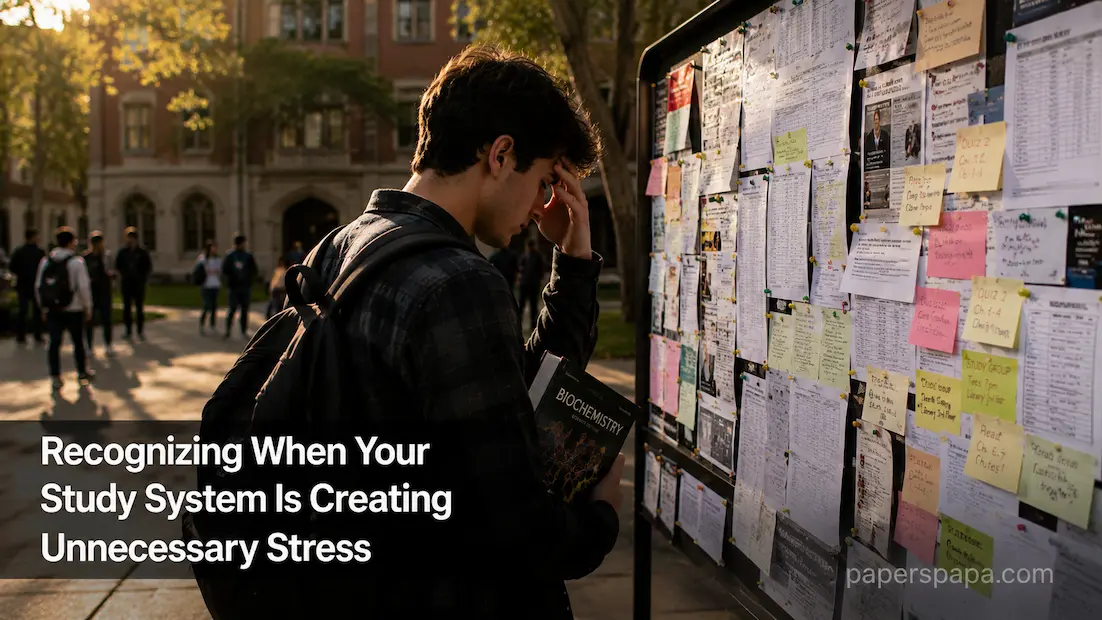
Organizing Every Subject Without Creating Five Different Systems

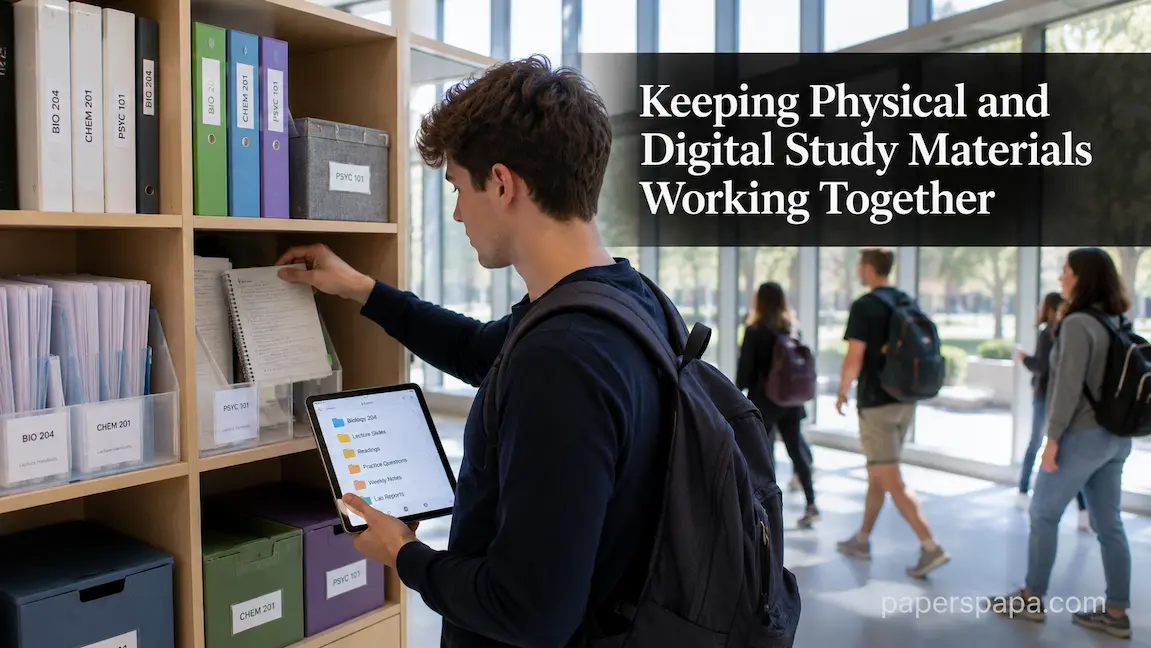
The first few weeks of a new semester often bring high expectations. Each subject has its own notebook, folder, color-coded schedule, planner, and study method. Mathematics uses a specific method, history uses another, natural sciences use yet another, and languages use ​​a different system. At first, this orderly approach seems fine. However, after a few … Read more

Backing Up Academic Work Before Small Problems Become Major Losses

Many students believe that their assignments, notes, presentations, and research papers on their laptops are safe. However, computer malfunctions, deleted files, software issues, or damaged storage media can completely destroy this sense of security. Minor technical problems can quickly escalate into the loss of hours, days, or even months of study work. Data loss can … Read more

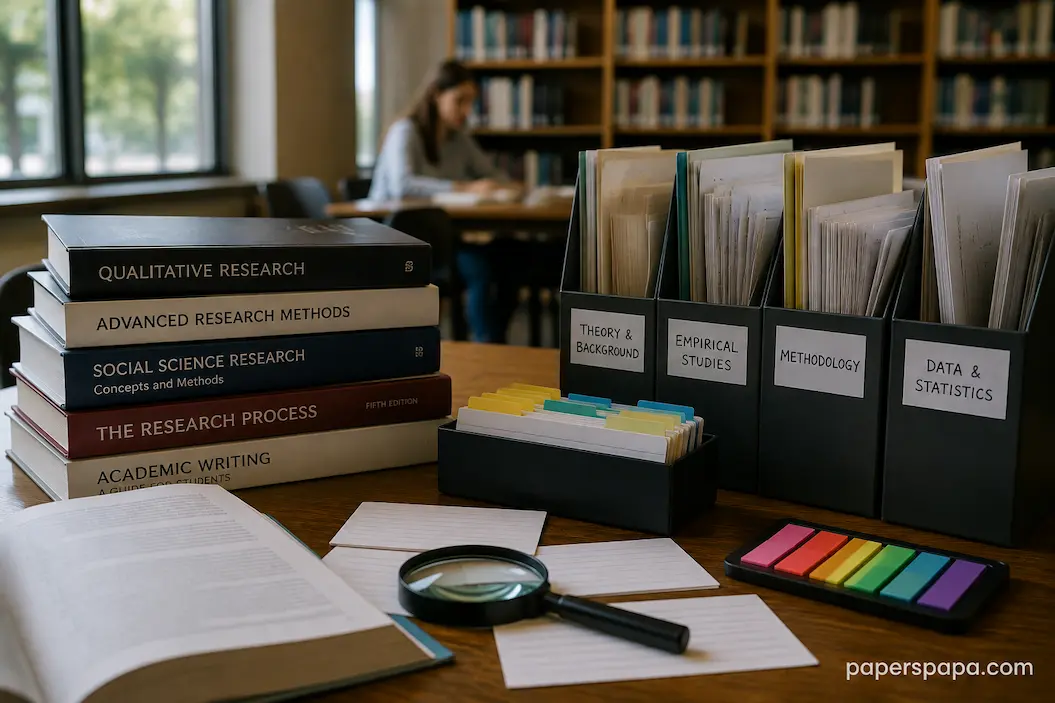
Building a Source Collection You’ll Still Understand Months Later

Research projects usually take more than a week to complete, from the initial research to the final article. Some tasks can take a semester. Dissertations, graduation theses, and long-term projects can even take months. During this time, your database of journal articles, books, reports, and online material grows exponentially. At first, everything seems well organized … Read more