The Small Organization Habits That Save Hours Before Exams

Many students resolve to use every free moment to study in the days leading up to exams. Strangely enough, students spend a large portion of that time not actually studying. Instead, that time is wasted searching for course material, trying to remember which notebook contains notes on a specific topic, downloading material that should have … Read more

Recognizing When Your Study System Is Creating Unnecessary Stress

Students often attribute academic stress to challenging subjects, approaching exams, or an excessive workload. While these factors are undoubtedly important, another source of stress is often overlooked: the learning system itself can sometimes be too demanding. Exercises initially intended to facilitate learning can gradually evolve into tasks requiring sustained concentration, leaving students feeling anxious and … Read more

Keeping Physical and Digital Study Materials Working Together

Different students have different learning styles. Some find it easier to understand notes in a notebook than to read course material on a laptop or save everything in a cloud folder. In fact, many students use both electronic and paper tools weekly. They keep handwritten notes and downloaded PDFs together, printed exercises and online articles … Read more

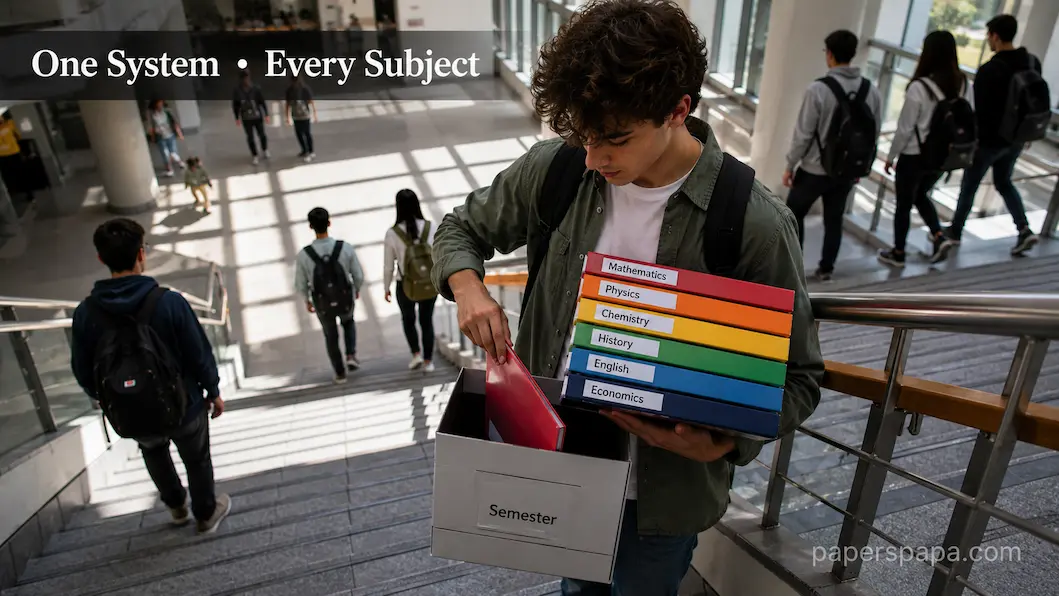
Organizing Every Subject Without Creating Five Different Systems

The first few weeks of a new semester often bring high expectations. Each subject has its own notebook, folder, color-coded schedule, planner, and study method. Mathematics uses a specific method, history uses another, natural sciences use yet another, and languages use ​​a different system. At first, this orderly approach seems fine. However, after a few … Read more

Why Constantly Changing Study Methods Slows Long-Term Progress

Many students try to find the ‘best’ learning method each semester. One week they create colorful mind maps, the next they watch videos about active memory. A few days later, they discover that flashcards or a new note-taking app work better. Trying out new methods is fine, but frequently switching them can lead to unexpected … Read more

The Difference Between Collecting Notes and Actually Learning From Them

Nowadays, students have more ways than ever to store knowledge. Many tools can help you quickly gather large amounts of information, such as cloud storage, note-taking apps, recordings, and your favorite websites. While these tools are useful, they can mislead you into thinking that storing knowledge is equivalent to understanding it. A folder full of … Read more

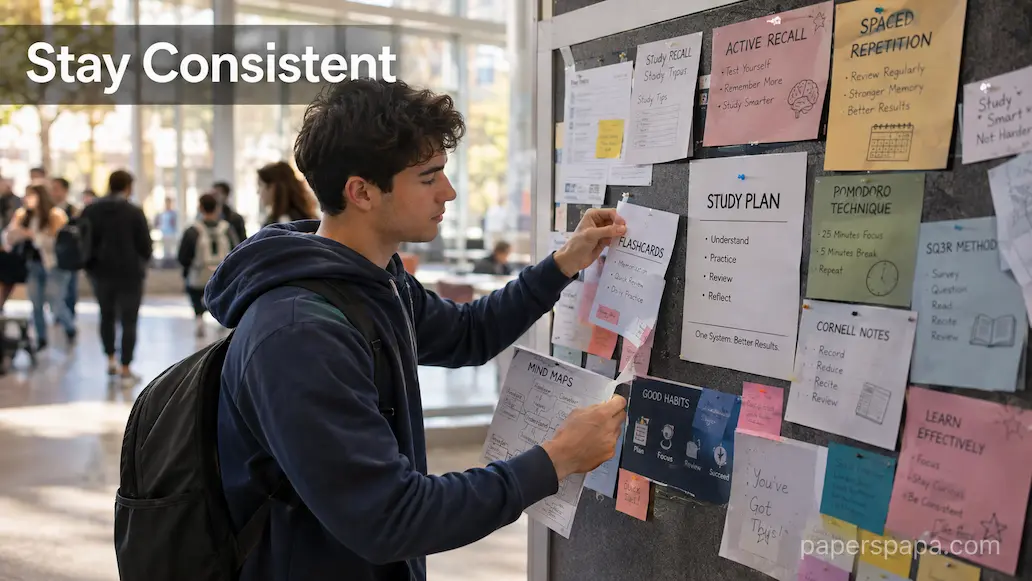
Why Most Study Routines Quietly Break Down Within a Month

Most students do not abandon their study habits due to laziness or a lack of interest. Rather, their problems are insidious. The first week, everything seems well organized: notebooks are neatly arranged, study plans are ready, and daily goals seem achievable. But in the second or third week, small problems start to emerge. The number … Read more


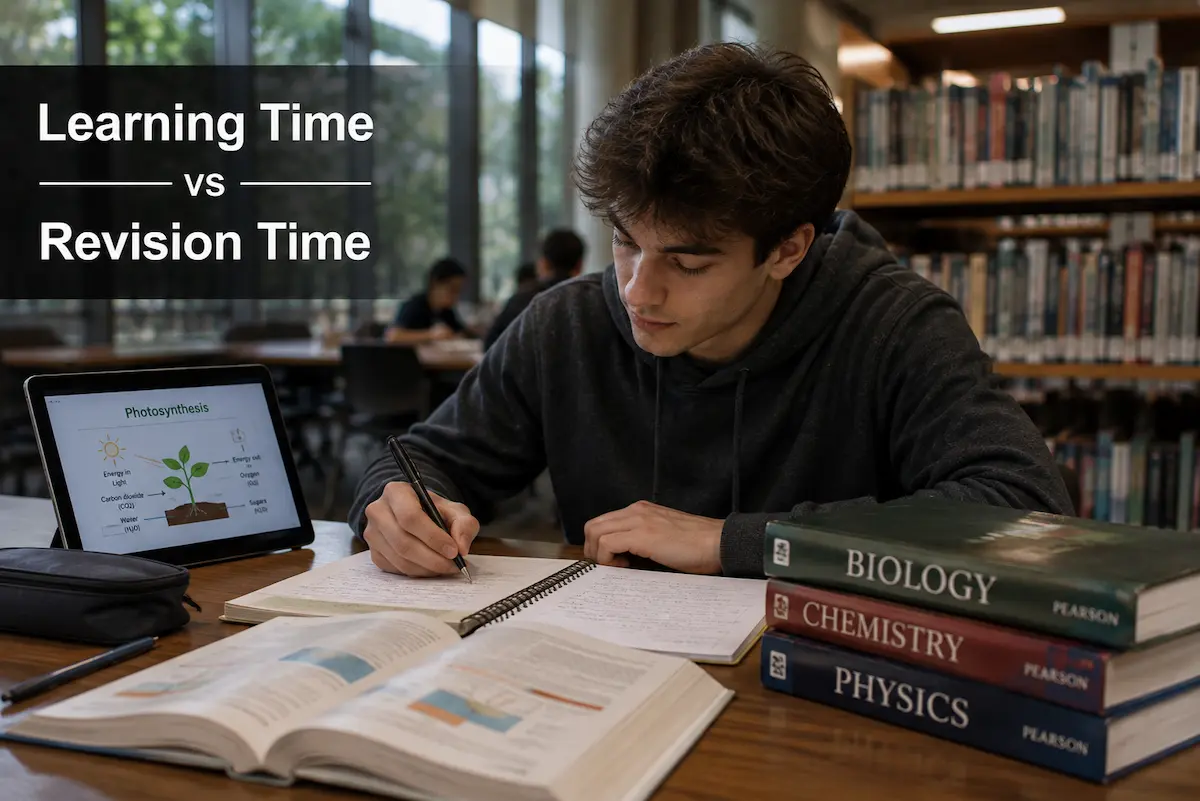
Separating Learning Time From Revision Time for Better Retention

Many students learn as if they are performing one continuous task. They read a chapter in the same class, review yesterday’s notes, do exercises, and quickly skim through previously covered material, without thinking about the purpose of each task. While this method can be effective, it is also mentally exhausting. Your brain constantly switches between … Read more

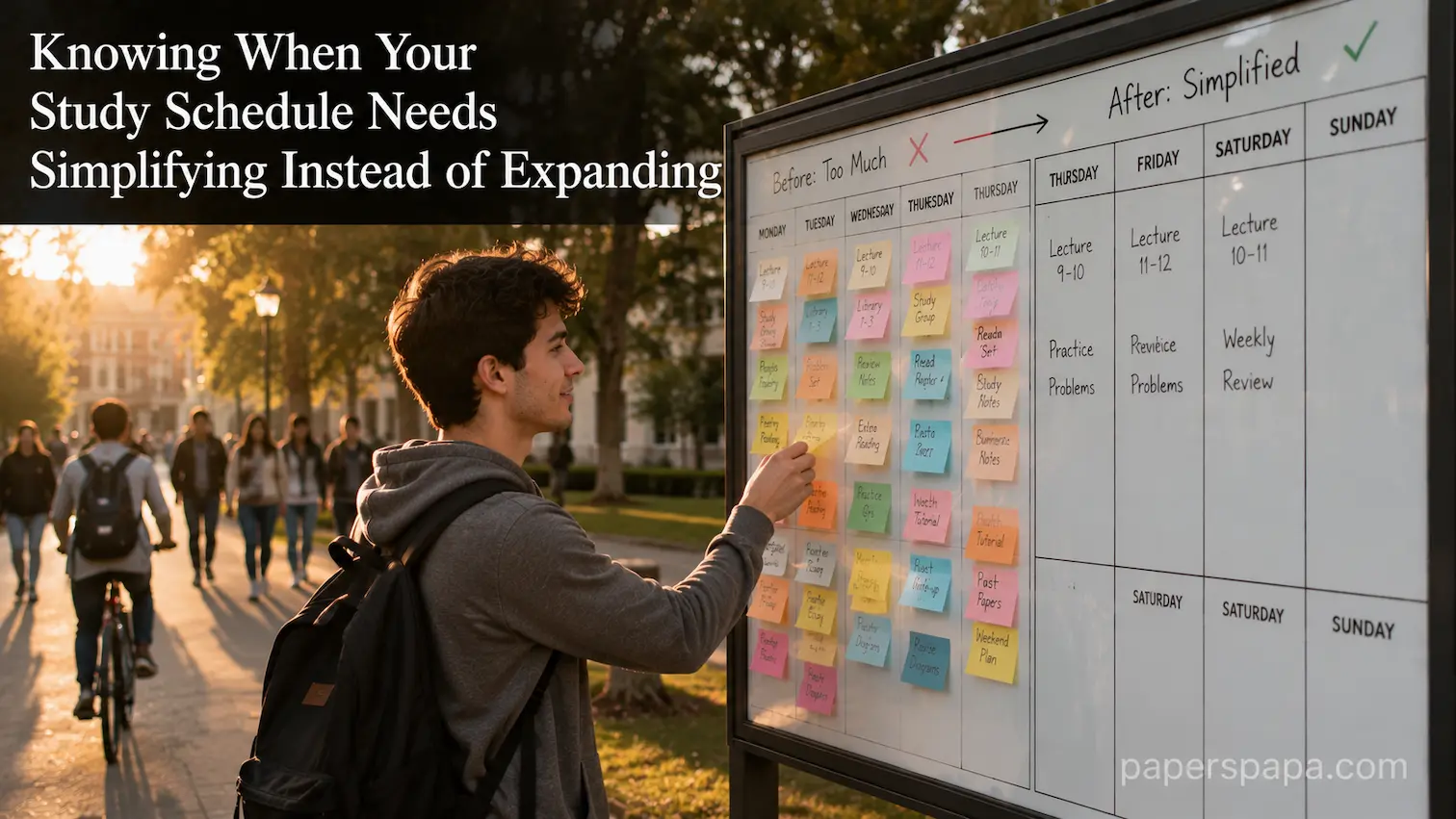
Knowing When Your Study Schedule Needs Simplifying Instead of Expanding

Almost every semester has a period where students feel like they are falling behind. Some subjects are difficult, assignments pile up, and approaching exams make it feel like there is not enough time. The initial reaction is often to cram more time into the schedule. Evenings are used for review, weekends are fully booked, and … Read more

Creating a Study System That Keeps Working During Busy Weeks

Some of the best study plans fail not because the plans themselves are ineffective but because they are designed for relatively quiet periods, not busy ones. Students often discover that as the material becomes more difficult, deadlines overlap, or personal obligations increase, their carefully constructed routines take more time and effort than they actually need. … Read more