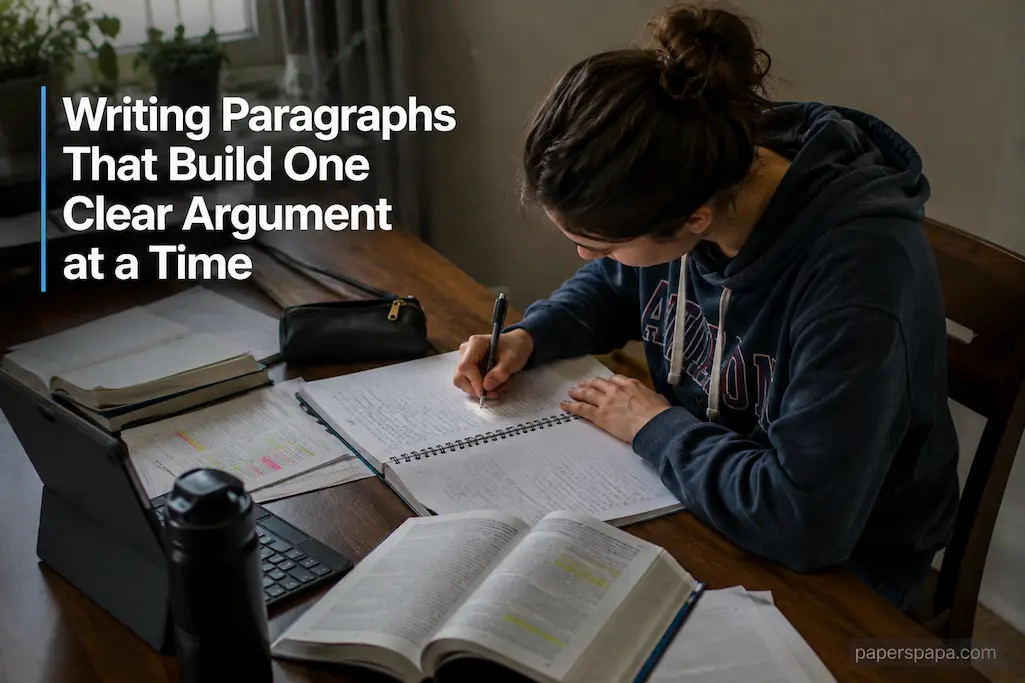
Writing Paragraphs That Build One Clear Argument at a Time

A good academic paper is usually remembered for its clear ideas and concise writing. More often, readers appreciate it because every paragraph makes a meaningful contribution to the discussion. They do not have to pause to consider a section’s purpose or relevance to the topic. The argument unfolds naturally and logically, and the conclusion feels … Read more

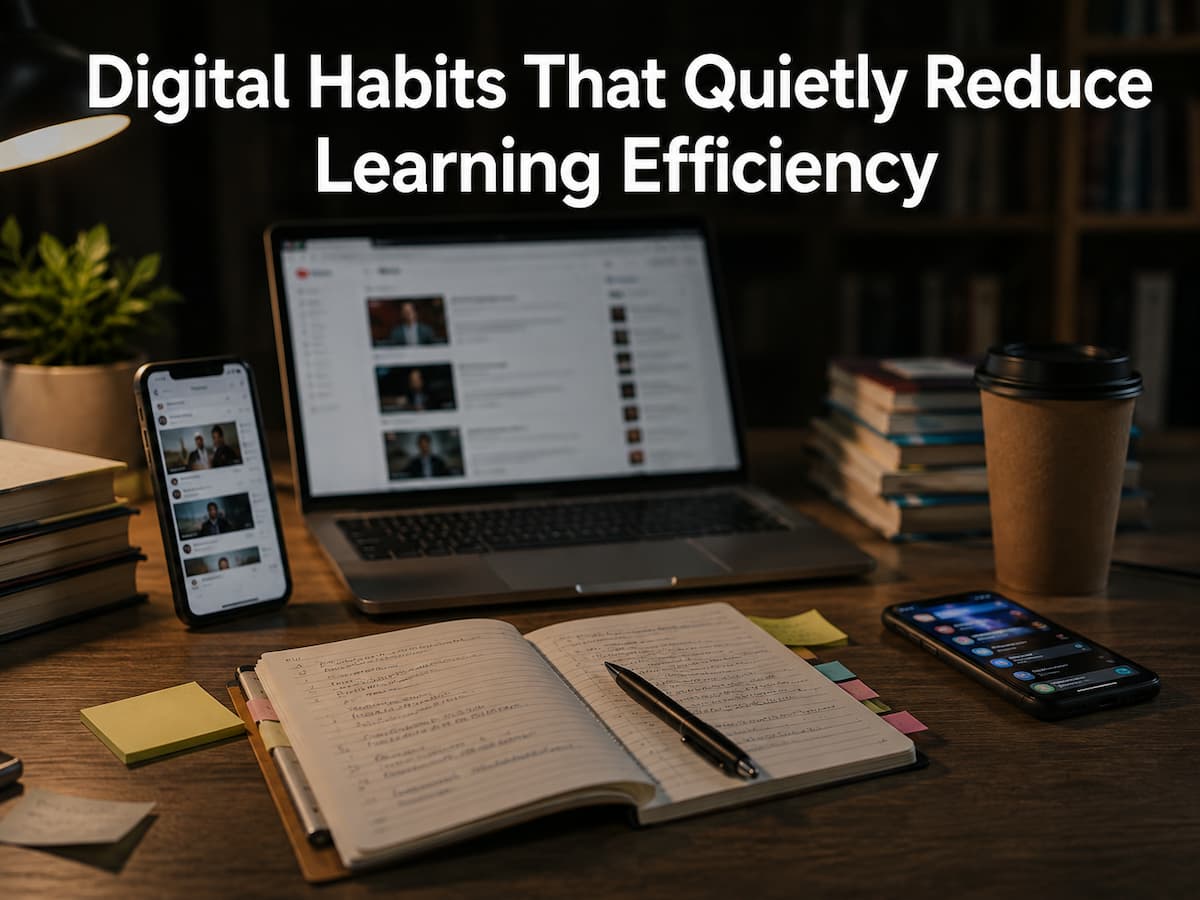
Digital Habits That Quietly Reduce Learning Efficiency

Most people perceive learning as learning difficult because the content is too complex or takes too much time. In reality, the problems are often small and easy to overlook. Some seemingly innocent digital habits can subtly harm your concentration, memory, and learning ability. Checking notifications, opening a new browser tab, or quickly scrolling through social … Read more

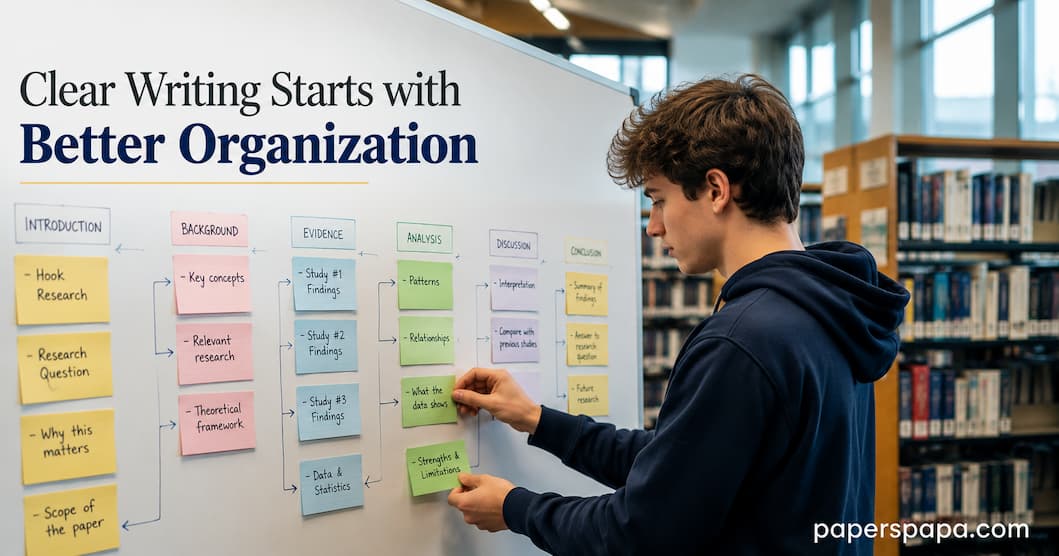
Why Clear Writing Usually Comes From Better Organization, Not Better Vocabulary

Many students assume that strong academic writing depends on using advanced vocabulary. They spend time searching for more sophisticated words, replacing simple expressions with formal alternatives, and worrying that their paper sounds too ordinary. While precise language certainly has value, it is usually not the main reason a paper is easy to understand. Readers usually … Read more

Building Habits That Make Studying Easier Instead of Longer

Many students assume that improving academically means extending their study hours. When grades begin to slip or coursework becomes more demanding, the first response is often to stay up later, wake up earlier, or remove breaks from the day. Although there are situations where extra study time is necessary, longer hours are not always the … Read more

Signs Your Research Process Is Creating More Work Than Progress

Although research is meant to get the job done, it sometimes backfires. You spend hours reading articles, highlighting key points, downloading reports, and organizing files, but when you look at the project, nothing seems to have changed. The document’s structure is no clearer than it was a week ago, the outline still feels incomplete, and … Read more

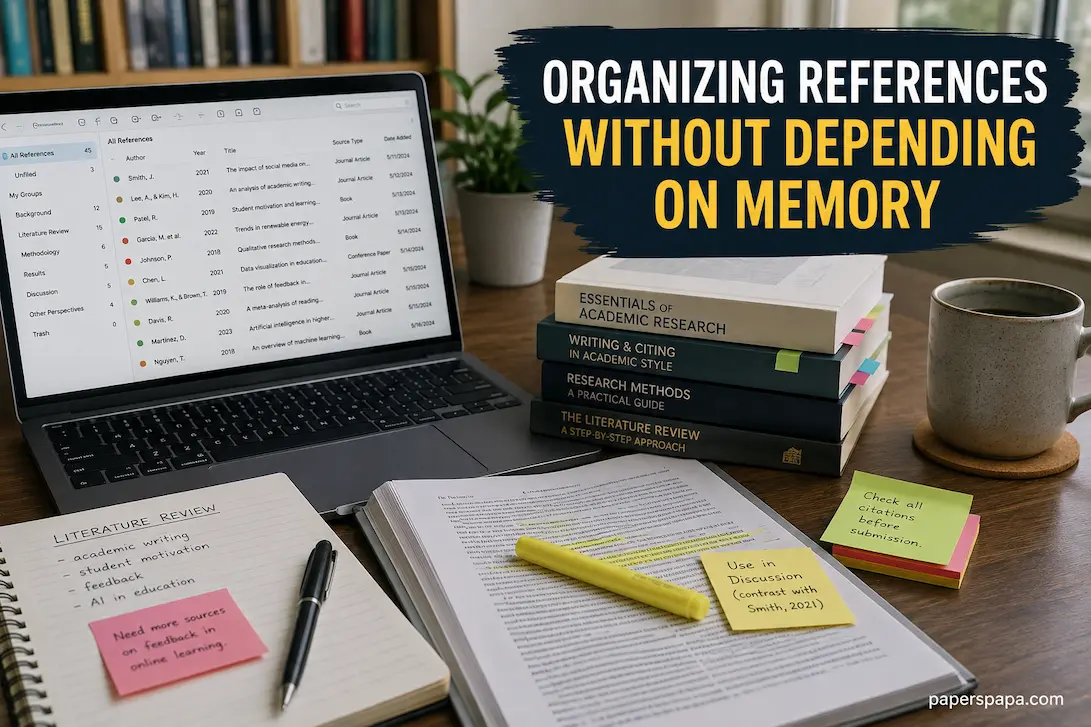
Organizing References Without Depending on Memory

At school, writing a strong article is incredibly difficult if you have read a great article but can no longer remember the source. Almost every student experiences this dilemma. You remember an important fact, a useful definition, or a powerful argument, but you cannot recall the author’s name and the article seems impossible to find. … Read more

Creating Folder Structures That Continue Working Every Semester

Most students start the semester full of enthusiasm. They create multiple folders, keep files organized, and place each file in a seemingly suitable spot. However, after a few weeks, the system often begins to crumble. Desktops become cluttered with tasks, downloaded course material fills the ‘Downloads’ folder, and finding last month’s notes becomes a daunting … Read more

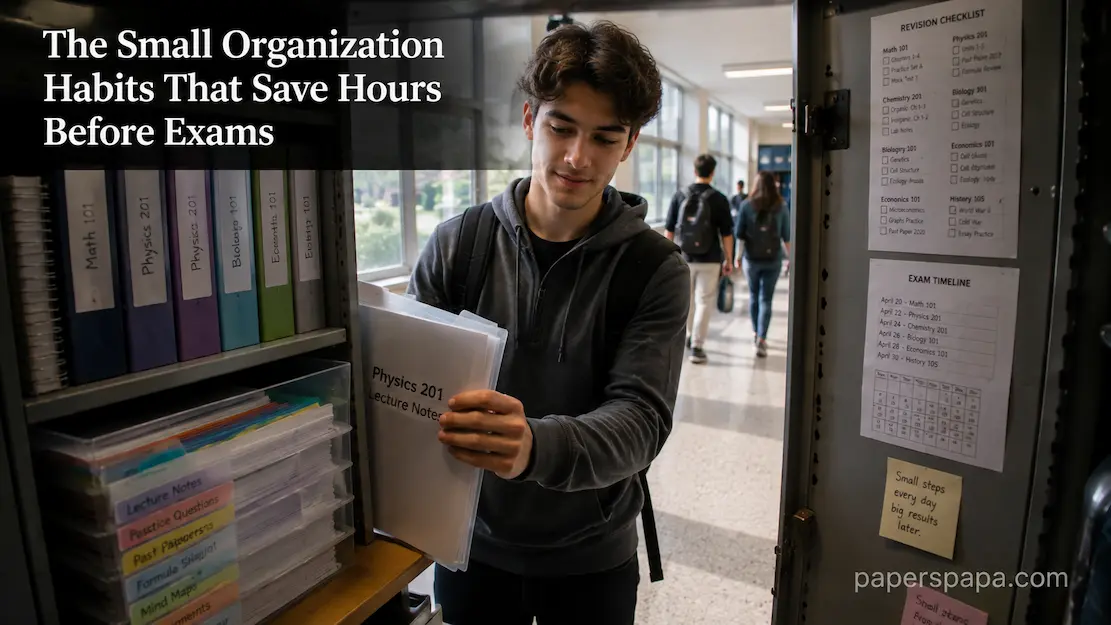
The Small Organization Habits That Save Hours Before Exams

Many students resolve to use every free moment to study in the days leading up to exams. Strangely enough, students spend a large portion of that time not actually studying. Instead, that time is wasted searching for course material, trying to remember which notebook contains notes on a specific topic, downloading material that should have … Read more