Spotting Logical Weaknesses Without Becoming Overly Skeptical

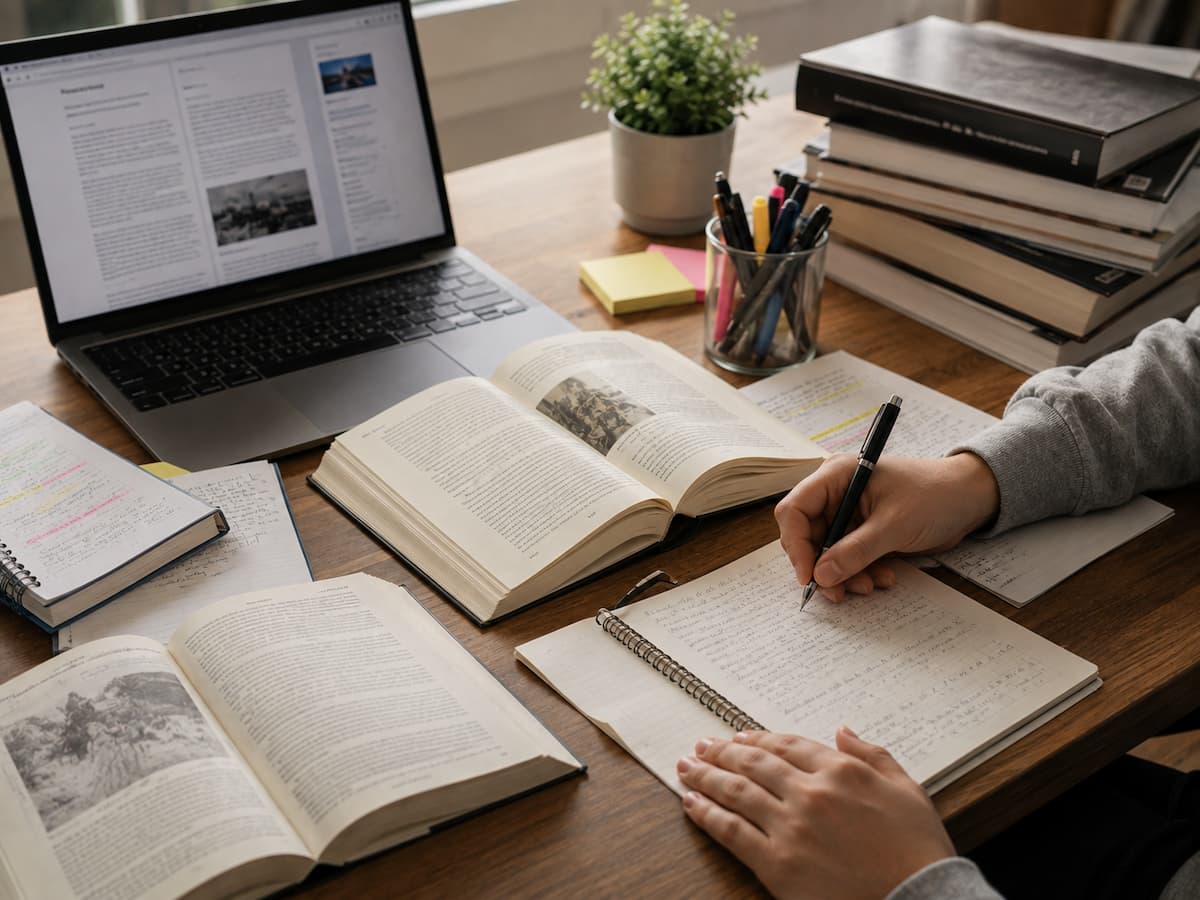
Careful reflection does not automatically rule out imperfect viewpoints. Blindly accepting every seemingly firm assertion is insufficient. Learning to critically evaluate viewpoints while simultaneously remaining open to new knowledge is far more valuable than blind acceptance and constant skepticism. Arguments appear daily in news reports, conversations, advertisements, academic discussions, and online forums. Some arguments have … Read more

Evaluating Statistics Without Being Misled by Impressive Numbers

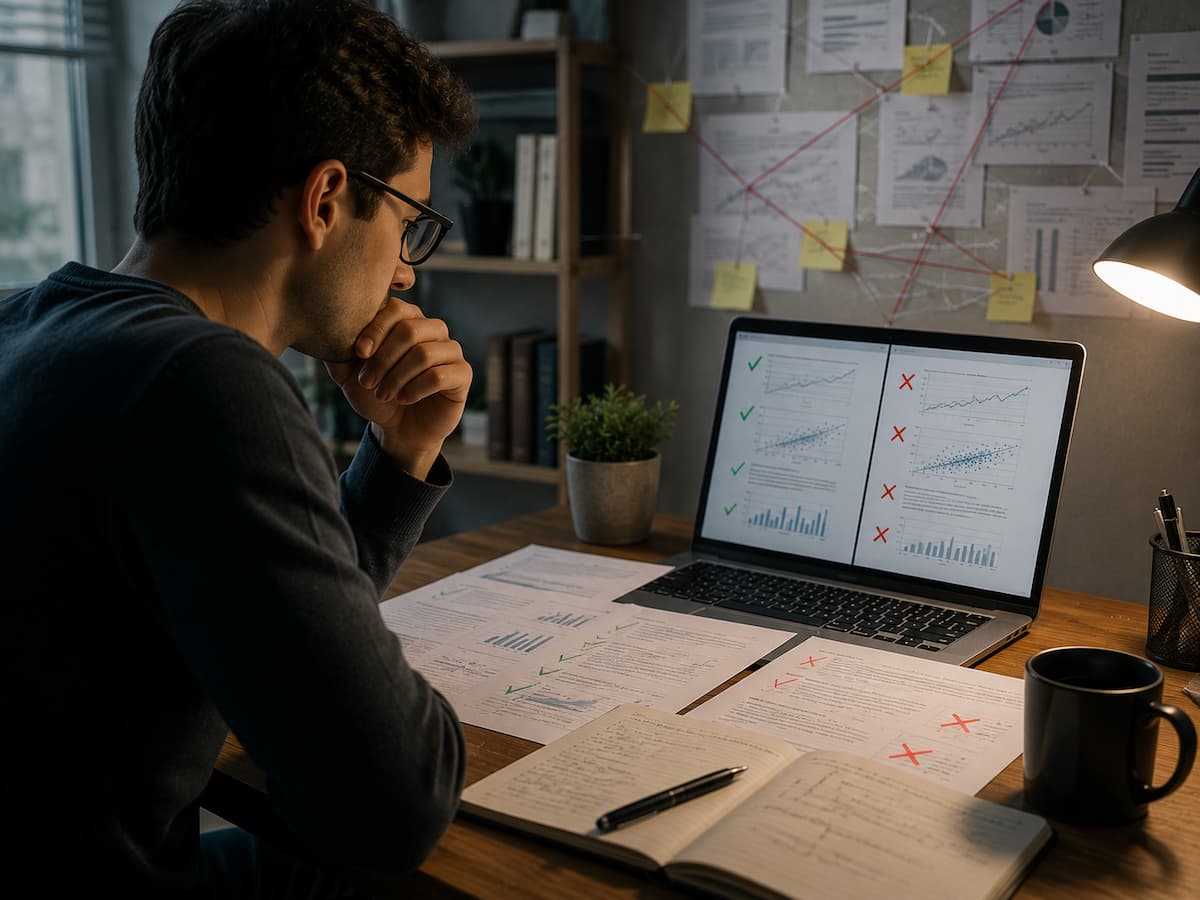
Many trust numbers more than words. Many assume a statistic, percentage, or large figure is accurate. Because figures imply authority, “90% of people prefer this method” or “this solution improved results by 300%” sounds believable. Impressive figures don’t necessarily reveal the whole story. A technically correct statistic can mislead if key details are missing. The … Read more

Evaluating Statistics Without Being Misled by Impressive Numbers

Numbers are remarkable. People often assume that a certain percentage, a major statistic, or a research conclusion is accurate simply because it appears scientific. Statements such as “80% of people agree with this” or “This method improved performance by 200%” easily grab attention. They are precise, reliable, and difficult to dispute. However, statistics can sometimes … Read more

Why Reading More Doesn’t Always Lead to Better Understanding

Reading is one of the best ways to learn. It increases knowledge and broadens thinking skills, encouraging children to read more books, articles, and educational resources. This advice is generally correct, but a crucial factor is often overlooked: reading more does not necessarily mean more understanding. Many people spend hours daily absorbing information. They read … Read more

Recognizing Confirmation Bias Before It Shapes Your Conclusions

A person reads an online article and feels satisfied since it confirms their opinion. They share, save, and scarcely examine its accuracy. They read another piece with a different perspective a few days later and become more critical. They look for argument flaws, check the source, or dismiss it swiftly. Human thinking isn’t unbiased; hence, … Read more

Ethical Information Use Every Researcher Should Know

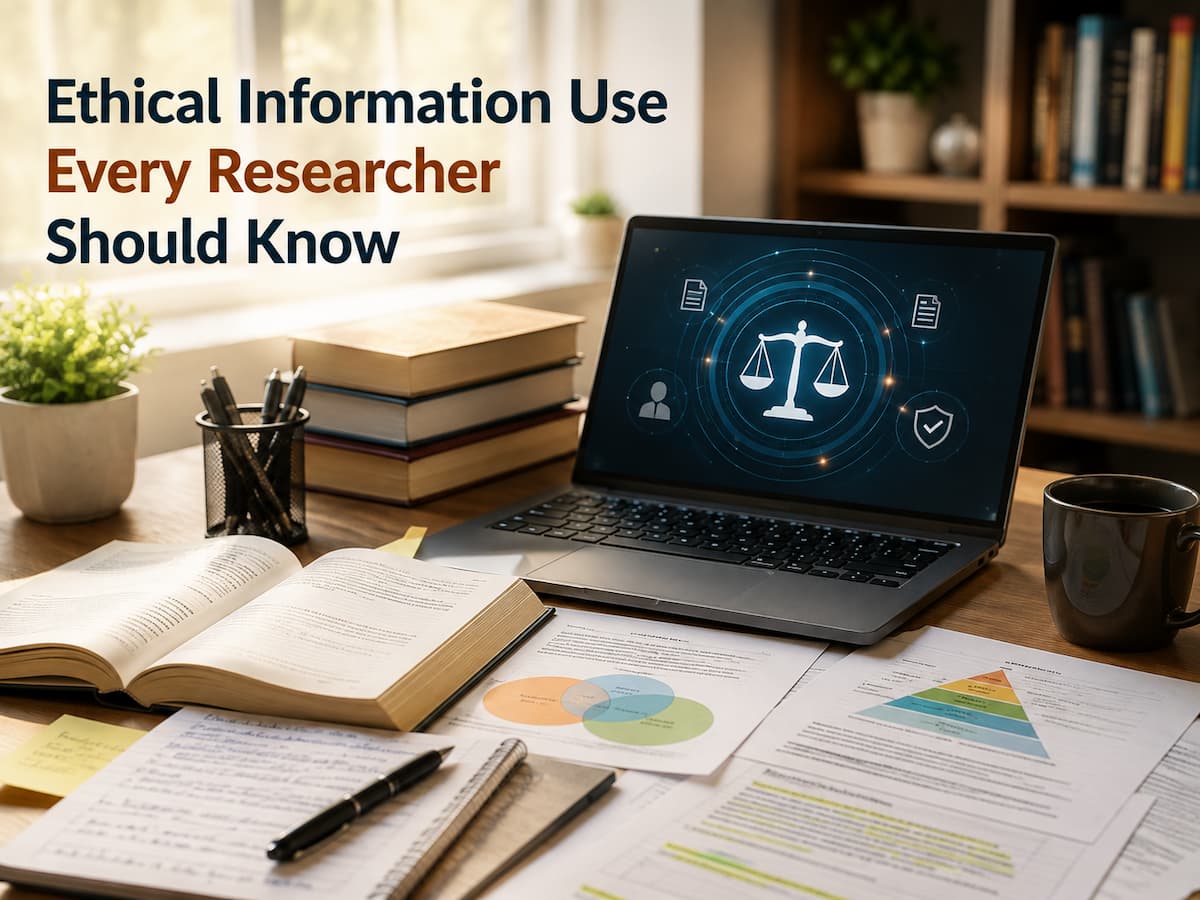
Nowadays, researchers have access to thousands of information sources within minutes. Access to scientific articles, government reports, internet databases, interviews, articles, and digital archives is easier than ever. However, access to information does not mean that researchers can use it without restriction. The benefits or disadvantages of research depend on how researchers collect, analyze, disseminate, … Read more

Asking Better Questions Before Accepting Any Published Information

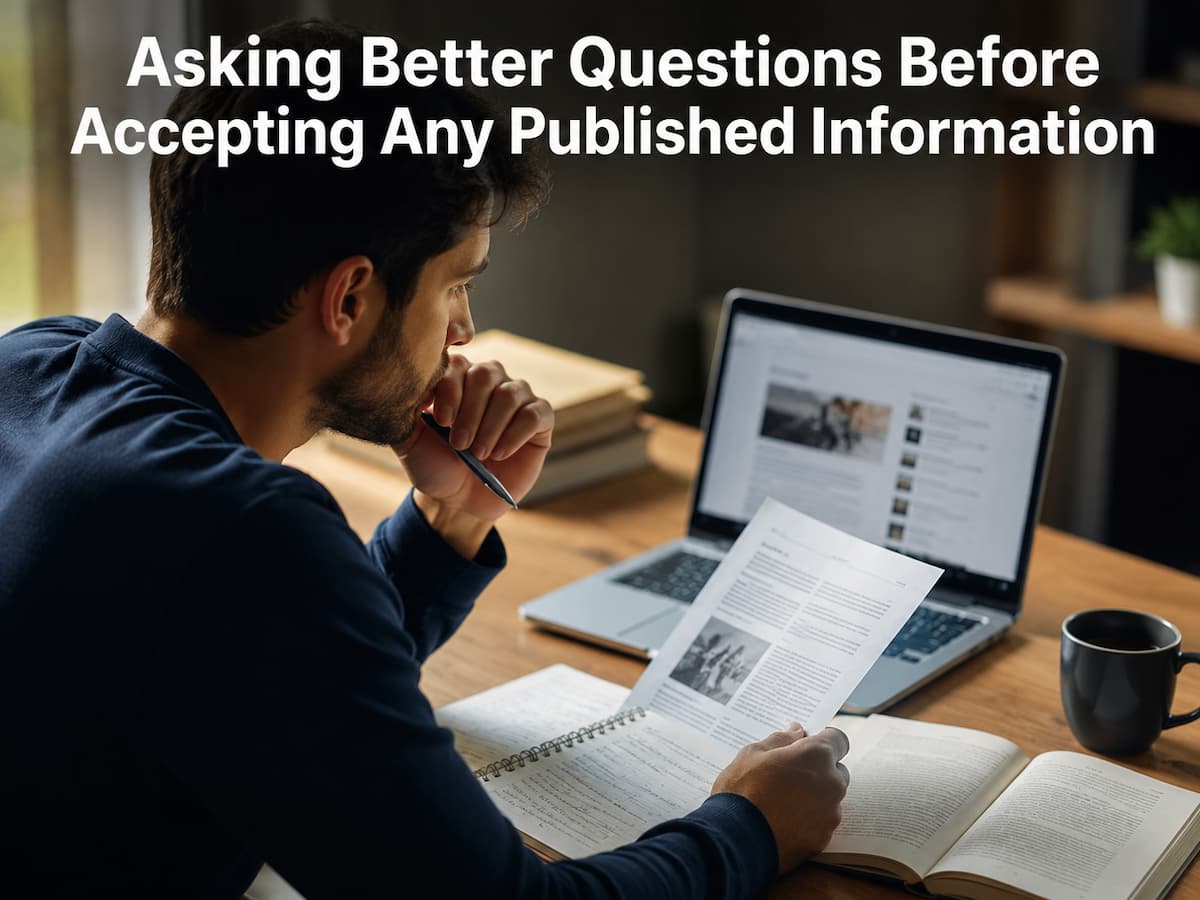
Most people grow up with the idea that the content of books, newspapers, magazines, or websites is likely verified and therefore accurate. However, although many publishers adhere to strict editorial guidelines, publication does not guarantee the accuracy of the information. Articles may contain inaccuracies or outdated information, omit essential details, include actual errors, or draw … Read more